Blog

Thoricus

Thoricus

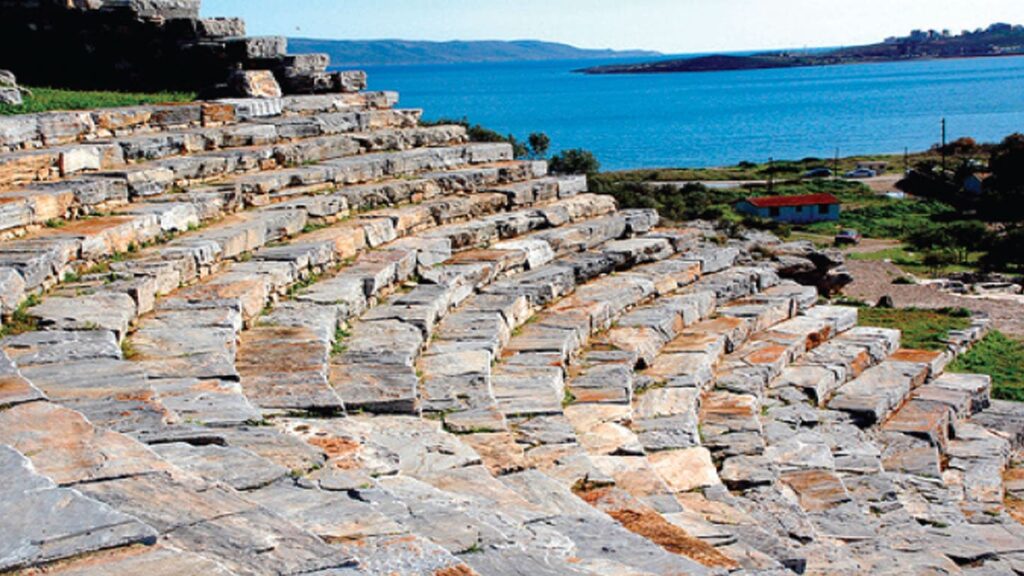
Thoricus Thoricus (Lavrio) Perched on a coastal hillside overlooking the Aegean Sea, Thoricus is one of the oldest and most hauntingly beautiful archaeological sites in Attica. Unlike the polished marble of Athens or the grandeur of Delphi, Thoricus offers something quieter, older, and closer to the earth. It’s a place where Bronze Age tombs, a […]
Thoricus Read More »

Eleutherna

Eleutherna

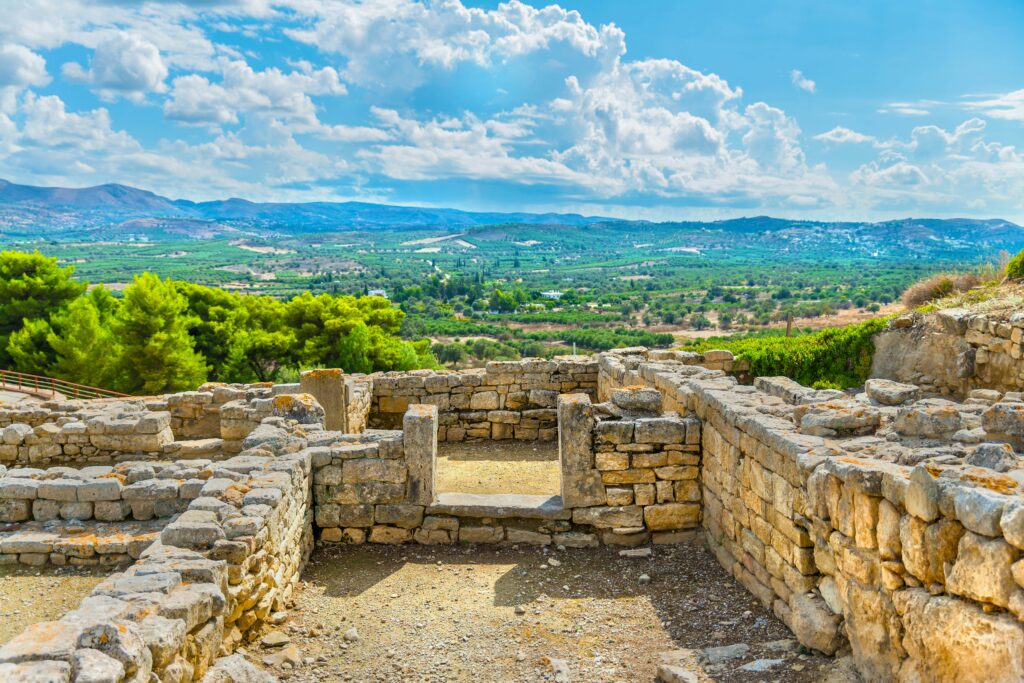
Eleutherna Eleutherna (Crete) Set high in the hills between Rethymno and Mount Ida, is one of Crete’s most compelling archaeological sites—yet it remains quietly off most tourist paths. Blending Minoan roots, Homeric-era burials, and Byzantine ruins, Eleutherna offers a layered look at Greek history in a single, open-air setting. Combined with its exceptional museum and

Eleutherna Read More »

Dodona

Dodona

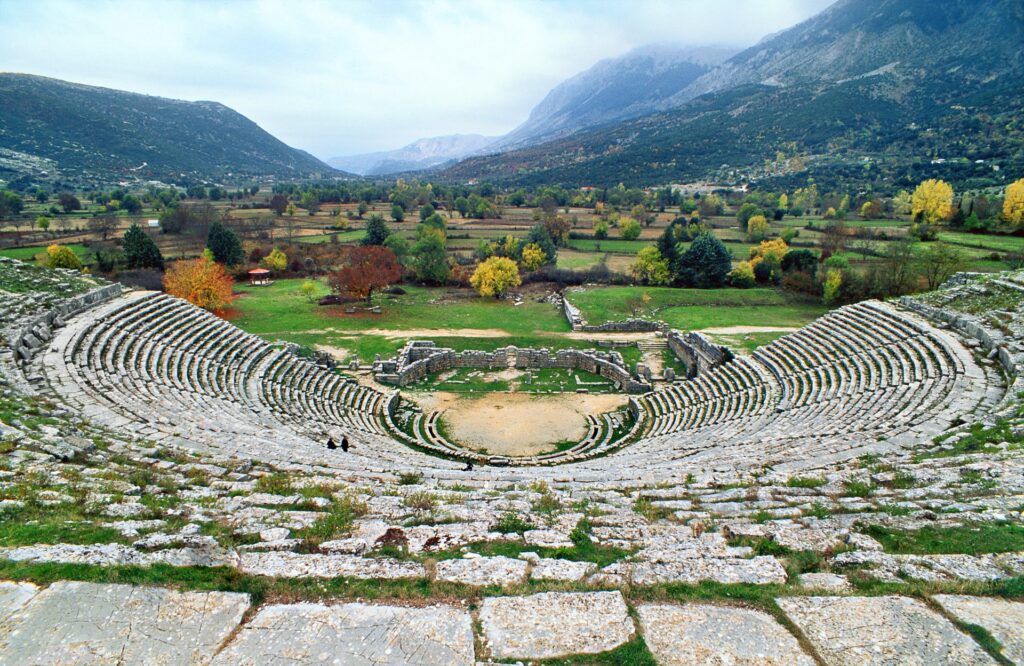
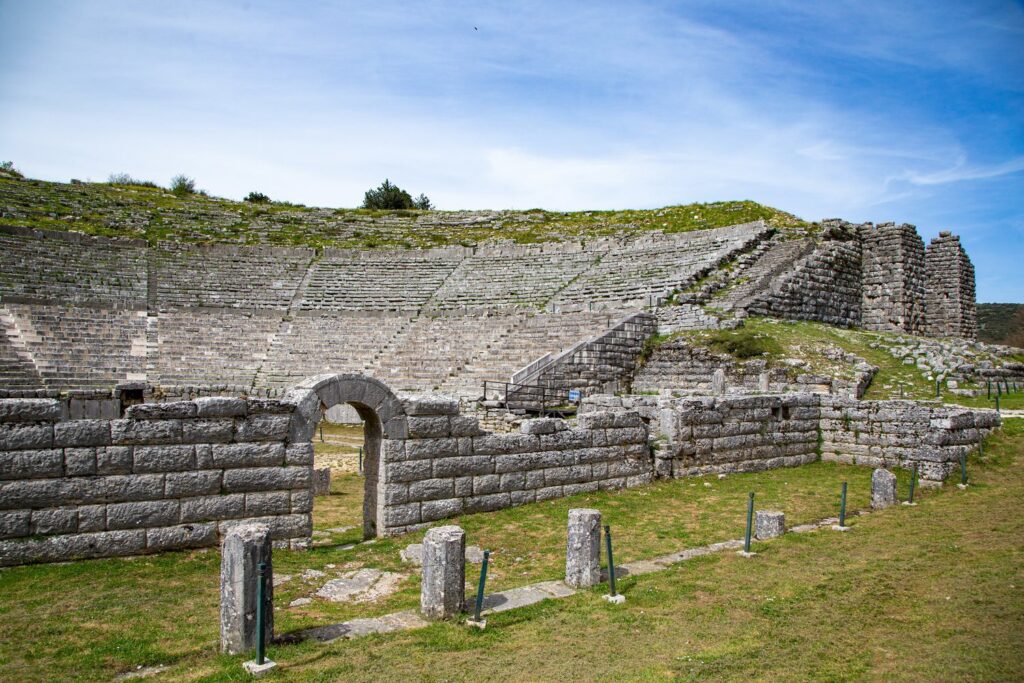
Dodona The Oldest Oracle in Greece Long before Delphi rose to fame as Greece’s spiritual heart, there was Dodona. Tucked into the lush, mountainous region of Epirus, Dodona was the site of the oldest known oracle in the Greek world. Here, in a sacred grove of oak trees, priests and priestesses listened not to human

Dodona Read More »

Athens Summer

Summer Transfers in Athens – How to Beat the Heat and Crowds

Athens Airport to Hotel Transfers: Avoid the Summer Rush Planning a summer trip to Athens? The heat is real, the crowds are wild, and your comfort matters more than ever. That’s why choosing the right type of Athens summer transfer can transform your trip from exhausting to effortless. Whether you’re heading from the airport to

Summer Transfers in Athens – How to Beat the Heat and Crowds Read More »

Despotiko

Despotiko

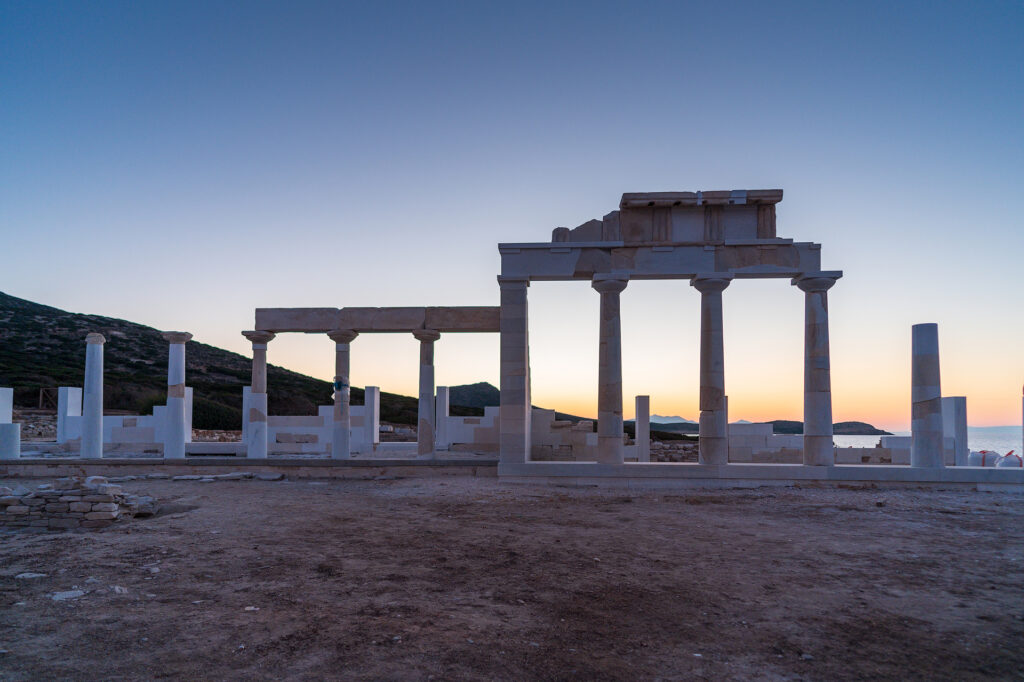
Despotiko Despotiko (Cyclades) In the shadow of Antiparos, hidden from the cruise ships and away from the Aegean spotlight, lies Despotiko—a small, uninhabited island that is quickly becoming one of the most exciting archaeological stories in Greece. With no paved roads, no houses, and no tourist infrastructure, Despotiko is nothing but sea, sky, stone—and a

Despotiko Read More »

Amphipolis Tomb

Amphipolis Tomb

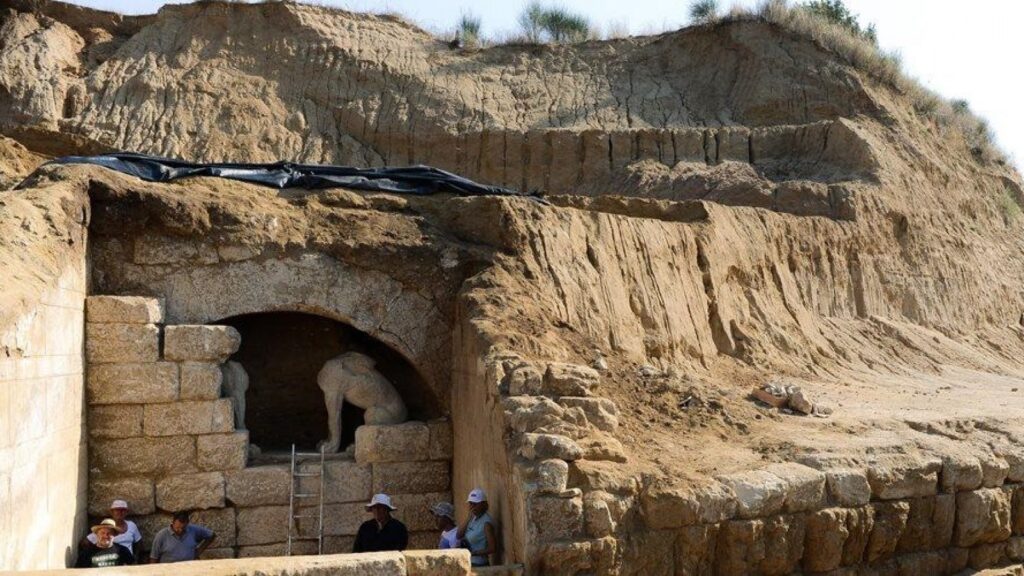
Amphipolis Tomb Amphipolis Tomb Few archaeological discoveries in recent Greek history have sparked as much excitement and speculation as the Amphipolis Tomb. Officially known as the Kasta Tomb, this enormous burial complex was uncovered in 2012 near the ancient city of Amphipolis in northern Greece. What followed was a wave of intrigue—about who was buried

Amphipolis Tomb Read More »

Necromanteion of Acheron

Necromanteion of Acheron

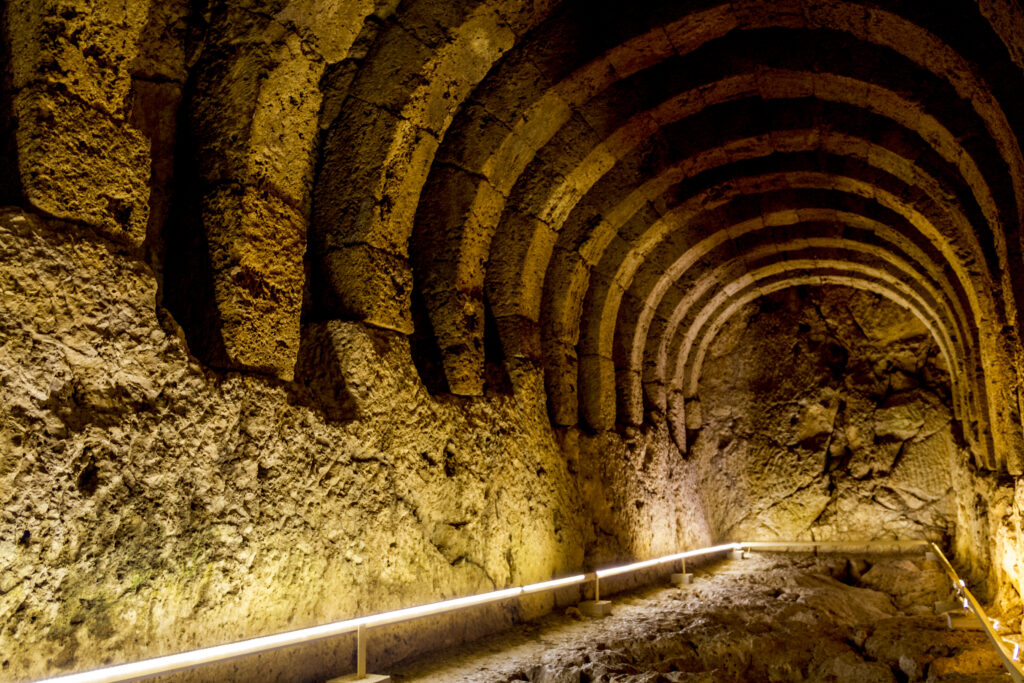
Necromanteion of Acheron Necromanteion of Acheron The Necromanteion of Acheron is not your typical ancient site. There are no towering columns, no marble statues, no sun-drenched ruins. Instead, you’ll find shadowy corridors, underground chambers, and the haunting aura of death worship. Tucked away in Epirus, near the village of Mesopotamos, this sanctuary was believed to

Necromanteion of Acheron Read More »

Ancient and Unusual Archaeological Sites

Ancient and Unusual Archaeological Sites Ancient and Unusual Archaeological Sites When most people think of ancient Greece, they picture the Acropolis, the Parthenon, and perhaps Delphi. But beyond the well-known monuments lies a deeper, stranger, and often more atmospheric Greece—one filled with mysterious oracles, sunken cities, forgotten tombs, and sites that barely make it into

Ancient and Unusual Archaeological Sites Read More »

Traveling Greece with Kids: Why Transfers Are a Game-Changer

Summer Transfers in Athens with Kids – Beat the Heat and the Crowds

Visiting Athens in Summer with Kids? Here’s How to Beat the Heat Athens in summer is magical—but it can also be hot, crowded, and overwhelming, especially when traveling with children. Between airport arrivals, heavy bags, cranky toddlers, and long lines for taxis, your first impression of the city can either be calm and collected… or

Summer Transfers in Athens with Kids – Beat the Heat and the Crowds Read More »

Mount Pindus

Mount Pindus

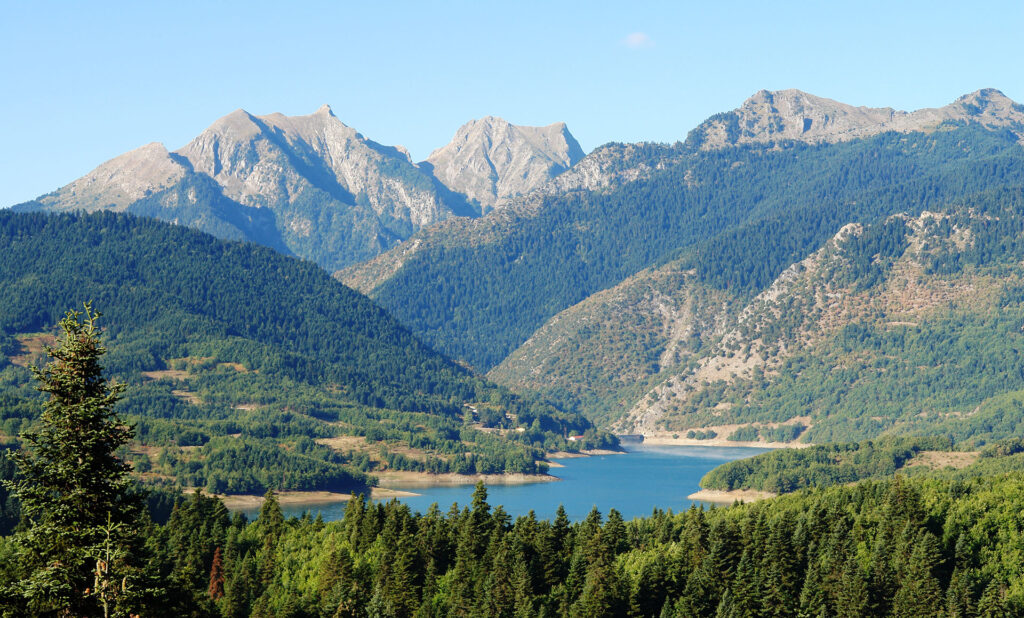
Mount Pindus Mount Pindus Mount Pindus isn’t a single peak—it’s a vast mountain range stretching over 160 kilometers through mainland Greece, from the Greek-Albanian border in the north to central Greece in the south. Often called the “spine of Greece,” the Pindus range divides the country’s east and west and is home to some of

Mount Pindus Read More »

Scroll to Top